O-Ring Applications
O-ring applications are important and are the deciding factor in picking an o-ring
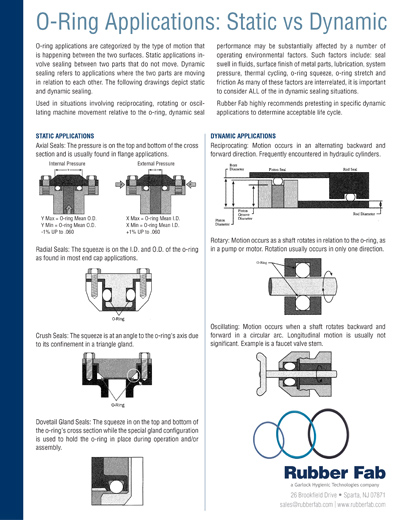
O-ring applications are categorized by the type of motion occurring between two surfaces. Static o-ring applications involve sealing between two parts that do not move. Dynamic sealing refers to o-ring applications where the two parts are moving relative to each other. The following drawings typically depict static and dynamic sealing. Used in situations involving reciprocating, rotating, or oscillating machine movement relative to the o-ring, dynamic seal performance may be substantially affected by a number of operating environmental factors. Such factors include: chemical compatibility and seal swell in fluids, surface finish of metal parts, lubrication, system pressure, thermal cycling, temperature extremes, o-ring squeeze, o-ring stretch, and friction. As many of these factors are interrelated, it is important to consider all of them in dynamic sealing situations. Rubber Fab highly recommends pretesting in specific dynamic o-ring applications to determine acceptable life cycle.
Critical environmental factors affecting o-ring performance should be evaluated early. Chemical compatibility between the process media and the selected o-ring materials directly influences swelling, extraction, and long-term stability. Temperature affects hardness, compression set, and elasticity; excessively high or low temperatures can cause brittle failure or softening. Pressure, including pressure cycling, influences extrusion risk and dictates whether backup rings or different gland designs are needed. In addition, contamination, radiation, steam, and vacuum conditions can alter material behavior. Matching o-ring materials to the environment and referencing an o-ring size chart to ensure proper fit are essential steps for reliable results in both static and dynamic o-ring applications.
Different seal types and gland designs have a significant impact on effectiveness. Common o-ring types used in static glands include face seals and radial seals, while dynamic o-ring types include piston and rod seals for reciprocating motion, and rotary seals for shafts. Gland geometry governs squeeze, stretch, and volume fill; improper groove dimensions can increase friction, accelerate wear, or cause spiral failure in dynamic service. For higher pressures, anti-extrusion devices or altered gland clearances may be required. Surface finish, lead-in chamfers, and proper lubrication further improve performance. Consulting an o-ring size chart during design helps verify cross-section and inside diameter targets so selected o-ring types seat correctly in the chosen gland. In short, pairing the right o-ring materials, o-ring types, and gland designs with the actual motion and pressure profile is the key to effective o-ring applications.
Selecting o-ring materials begins with understanding media and temperature. For example, EPDM often performs well in steam and many polar fluids, while FKM resists many hydrocarbons and elevated temperatures. PTFE-based compounds offer broad chemical resistance but may require special gland designs due to lower elasticity. Silicone handles wide temperature ranges but may lack abrasion resistance for certain dynamic uses. Reviewing chemical compatibility charts and correlating them with an o-ring size chart helps ensure that both the material and fit meet the application’s needs. When in doubt, prototype with the intended o-ring materials and evaluate performance under expected temperature and pressure cycles.
Best-in-class resources can streamline design and verification. Useful references include: manufacturer technical guides on o-ring types and o-ring materials; comprehensive o-ring size chart libraries for AS568, metric, and custom sizes; chemical compatibility databases; and gland design handbooks that cover static and dynamic groove dimensions. Application notes on failure modes (e.g., extrusion, nibbling, spiral failure, compression set) help connect observed issues back to root causes such as pressure spikes, inadequate lubrication, or incompatible surfaces. Training modules, webinars, and calculators from suppliers and standards bodies also provide practical guidance on o-ring applications, enabling better decisions on material selection, gland tolerances, and assembly practices.
To summarize, effective o-ring applications require a balanced approach: verify chemical compatibility, temperature range, and pressure limits; choose appropriate o-ring materials and o-ring types; design glands for correct squeeze, stretch, and volume fill; and validate selections with an o-ring size chart. Because real-world variables interact, pretesting under representative conditions remains the most reliable way to predict life cycle and ensure robust sealing performance. Rubber Fab can assist with material guidance, sizing, and application evaluation to help ensure durable, compliant, and cost-effective sealing solutions.
 Sanitary Gaskets
 Detectomer® Family of Products
 O-Rings
 Sanitary Hose & Hose Assemblies
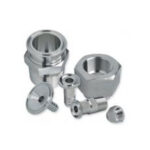 Hose Fittings & Adapters
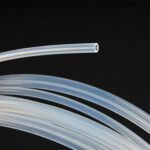 Tubing
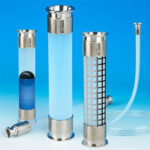 Sight Gauges
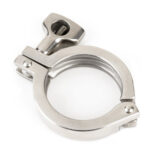 Sanitary Clamps
 Sanitary End Caps
 Compression Control Products
 Pump Replacement Parts
 Carton Filler Replacement Parts
 Sanitary Tube Supports
 Data Center Cooling
 Food Processing Products
 Cheese Processing and the Dairy Industry
 Sanitary Seals & Hoses for the Beverage Industry
 Pet Food Processing Industry
 Craft Beverage Industry Solutions: Gaskets and Hoses
 Cannabis Extraction Equipment
 Pharmaceutical Validation Products
 Getting the Perfect Crimp on a Hose Fitting
 Coding & Labeling Services
 Product & Technical Services
 Packaging & Drop Shipping Services
 Quality Assurance Certification & More
 Literature
 Part Number Library
 Technical Articles/Documents
 Informational Videos and Training
 Product E-Catalogs
 Case Studies – Product Innovations at Work
 Frequently Asked Questions
 Rubber Fab eNewsletter Archive