O-Rings
O-rings work in different applications than Tri-clamp® gaskets
O-rings work in different applications than Tri-clamp® gaskets and are used across Static vs Dynamic Applications in processing systems.
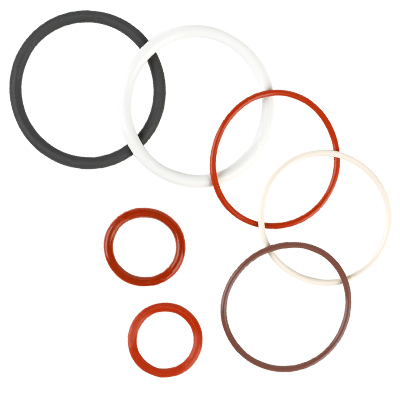
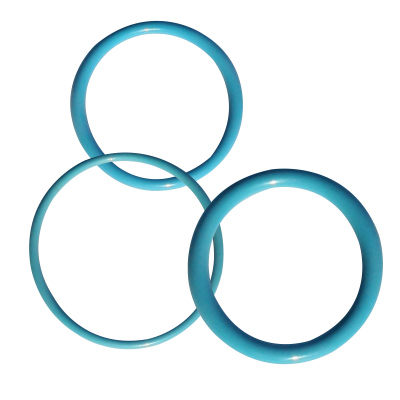
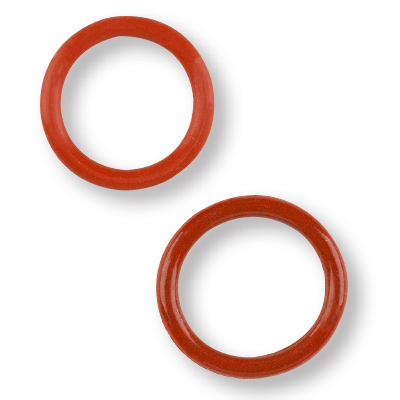
Seal design is an important factor in food, dairy, beverage and pharmaceutical processing. An o-ring is a very important part of that design. O-rings are generally installed in a seal to prevent leaking, or loss of fluid. Rubber Fab offers AS568 Standard o-rings, metric, DIN and custom o ring sizes in a wide variety of materials, including nitrile o-rings and viton o-rings. Understanding Static vs Dynamic Applications helps ensure the right choice for performance.
There are many factors to consider when choosing an elastomer for your application. O-rings and gaskets are FDA Compliant for use in food applications and Class VI tested for pharmaceutical applications. Rubber Fab Detectomer® products meet and exceed the standards set by the Food Safety Modernization Act. They are detectable by in-line x-ray inspection and metal detection systems, as well as, magnetic separators, therefore reducing costly product loss and recalls.
Quad rings are a unique o-ring with a unique profile, doubling the sealing surface of a traditional o-ring. This design also provides lower friction and because it has more of a square profile, it can resist spiral twisting. When selecting o ring sizes and cross sections, note that larger cross-section o-rings can tolerate higher misalignment and provide robust sealing, while smaller cross sections reduce friction and fit compact glands—important in Static vs Dynamic Applications.
Chemical attack and swelling are the primary causes of o-ring failure. Encapsulated o-rings match the chemical and temperature resistance of solid PTFE o-rings, and possess properties of elasticity and recovery, which are crucial in many sealing applications. Encapsulated o-rings are virtually chemically inert and provide easy cleanup of viscous materials. In chemically aggressive environments, viton o-rings are often preferred for heat and solvent resistance, while nitrile o-rings are widely used for good oil resistance and cost-effectiveness; selecting the correct material based on media, temperature range, pressure, and motion type is key.
Key factors to consider when choosing the best material for an o-ring based on application environment include: the process media (water, CIP/SIP chemicals, oils, solvents), operating temperature and thermal cycling, pressure and potential extrusion gaps, regulatory requirements (FDA, Class VI), and whether the seal is static or dynamic. For example, nitrile o-rings perform well with petroleum oils and moderate temperatures, making them common in general industrial static seals. Viton o-rings provide superior resistance to high temperatures, solvents, and many chemicals, and are often selected for dynamic applications or harsh chemical exposure. Encapsulated o-rings are ideal where maximum chemical inertness is needed with elastomeric recovery.
Different o-ring cross-section sizes impact performance and functionality by influencing contact stress, friction, and tolerance to misalignment. Larger cross-section o-rings can generate higher sealing force, better fill gland imperfections, and resist extrusion, which is beneficial in high-pressure static service. Smaller cross-section o-rings reduce friction and heat generation in dynamic service, support compact hardware, and can improve response in fast cycling. Selecting appropriate o ring sizes for Static vs Dynamic Applications is essential to balance sealing reliability with wear and energy losses.
Working closely with an engineer is important in designing an o-ring that meets specific application requirements because engineers can evaluate gland design, surface finish, squeeze, stretch, compression set, and material compatibility. They help translate media, temperature, and pressure conditions into the right combination of o-ring material (such as nitrile o-rings or viton o-rings), durometer, and o ring sizes, ensuring robust sealing performance in both Static vs Dynamic Applications. Collaboration also reduces risk of failure from chemical attack, swelling, spiral twisting, or extrusion.
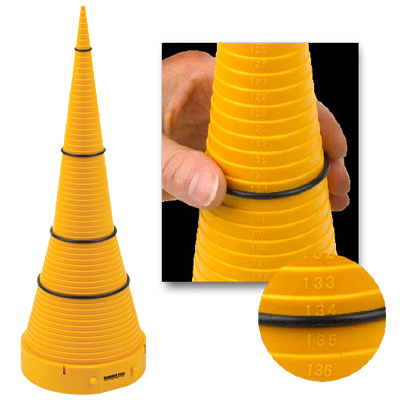
The best resources for learning about o-ring design and application include Rubber Fab’s downloaded PDF brochure and O-Ring Sizing Cone tool for accurate measurements, AS568 and metric size charts for o ring sizes, material compatibility guides for nitrile o-rings and viton o-rings, and technical support from Rubber Fab engineers. These resources explain Static vs Dynamic Applications, cross-section selection, and installation best practices, ensuring your o-rings perform as intended. Click the link to head to our downloaded PDF brochure. This brochure is one of the best resources for learning about o-ring design and application, including o ring sizes, materials like nitrile o-rings and viton o-rings. Static vs Dynamic Applications sheet is a great reference for explaining o-ring installation applications.
 Sanitary Gaskets
 Detectomer® Family of Products
 O-Rings
 Sanitary Hose & Hose Assemblies
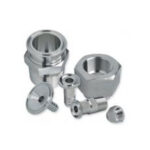 Hose Fittings & Adapters
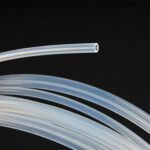 Tubing
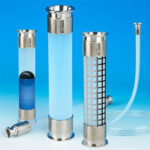 Sight Gauges
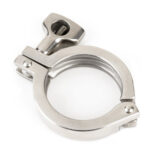 Sanitary Clamps
 Sanitary End Caps
 Compression Control Products
 Pump Replacement Parts
 Carton Filler Replacement Parts
 Sanitary Tube Supports
 Data Center Cooling
 Food Processing Products
 Cheese Processing and the Dairy Industry
 Sanitary Seals & Hoses for the Beverage Industry
 Pet Food Processing Industry
 Craft Beverage Industry Solutions: Gaskets and Hoses
 Cannabis Extraction Equipment
 Pharmaceutical Validation Products
 Getting the Perfect Crimp on a Hose Fitting
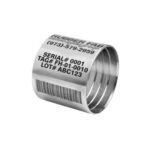 Coding & Labeling Services
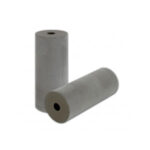 Product & Technical Services
 Packaging & Drop Shipping Services
 Quality Assurance Certification & More
 Literature
 Part Number Library
 Technical Articles/Documents
 Informational Videos and Training
 Product E-Catalogs
 Case Studies – Product Innovations at Work
 Frequently Asked Questions
 Rubber Fab eNewsletter Archive