Gasket Installation Instructions
Ever wonder what the proper installation and torque of a certain elastomer is? We have all of that information right here for you. This page provides clear gasket installation instructions and a practical flange gasket installation procedure so you know exactly how to install a gasket for reliable, leak-free performance. It also includes compressible gasket installation tips, torque guidance, and references to the best resources. To learn about O-ring design and application, please click here.
Fundamental Principles and Best Practices of Seal Design
Successful seals share a few fundamental principles: proper compression without over-stressing the material, even load distribution, and compatibility between the seal, media, and hardware. Best practices include selecting the correct cross-section and hardness, ensuring surface finishes and flange flatness are within tolerance, and following a consistent flange gasket installation procedure. During gasket installation instructions, always clean mating surfaces, inspect for damage or warping, and align components to avoid pinch points. Controlled tightening in a star-cross pattern helps achieve uniform compression. These how to install a gasket practices minimize leak paths, avoid extrusion, and extend service life.
Additional best practices include documenting torque values and rechecking torque after initial pressurization. Compressible gasket installation tips emphasize setting targets for final compressed thickness, using calibrated tools, and avoiding over-compression that can crush fibers or cause elastomer creep. When using elastomeric or compressible materials, the flange gasket installation procedure should incorporate incremental torqueing rounds, with pauses to allow relaxation, ensuring repeatable and predictable sealing performance as described in thorough gasket installation instructions.
Environmental and Operating Condition Considerations
Environmental factors and operating conditions strongly influence seal material selection and design. Temperature ranges dictate elastomer choices: high heat may require FKM or perfluoroelastomers, while low temperatures favor silicone or nitrile variants designed for flexibility. Chemical exposure demands compatibility; fuels, solvents, acids, and steam each call for specific compounds or PTFE-based solutions. Pressure and vacuum levels determine whether anti-extrusion features or higher durometer materials are necessary. In abrasive or particulate-laden environments, harder materials or protective hardware features may be preferred to prevent wear.
Dynamic versus static applications also drive design. Dynamic seals require low friction, good wear resistance, and appropriate lubrication considerations; static gaskets prioritize compression set resistance and creep relaxation control. UV, ozone, and weathering can degrade certain elastomers, so outdoor applications may require ozone-resistant formulations. Hygiene and regulatory requirements (e.g., FDA, USP Class VI) affect material selection in food, pharma, and biotech systems. When following gasket installation instructions and a flange gasket installation procedure, consider these conditions to choose the right material and geometry before learning how to install a gasket in the field. Compressible gasket installation tips recommend confirming environmental conditions during design review, then validating with testing under representative loads and temperatures.
How to Install a Gasket: Practical Steps
The following condensed how to install a gasket sequence provides a repeatable framework:
- Preparation: Clean and dry mating surfaces; verify flatness and surface finish; confirm correct gasket type based on gasket installation instructions.
- Placement: Center the gasket carefully to prevent overhangs or misalignment; avoid adhesives unless specified by the flange gasket installation procedure.
- Incremental Torque: Apply torque in 3–4 passes (e.g., 30%, 60%, 100% of target) using a star pattern; follow compressible gasket installation tips to prevent localized over-compression.
- Final Verification: Check final torque after a short dwell; pressurize the system gradually and re-torque if recommended by the gasket installation instructions.
This how to install a gasket approach balances uniform compression with controlled tightening. For compressible materials, use measured torque and consider target compressed thickness where applicable. A disciplined flange gasket installation procedure reduces leak risk and maintains seal integrity over time.
Best Resources for O-Ring Design and Application
To deepen expertise, consult authoritative sources that complement these gasket installation instructions:
- Manufacturer Design Guides: Many elastomer and gasket manufacturers publish comprehensive O-ring handbooks covering groove geometry, squeeze, stretch, and material compatibility.
- Standards and Specifications: AS568 size standards, ISO 3601 for O-rings, and ASME PCC-1 for bolted joint assembly offer rigorous guidance relevant to a flange gasket installation procedure.
- Technical Societies and Courses: Organizations such as ASTM, SAE, and STLE offer publications and training on sealing fundamentals, materials, and testing.
- Application Notes and Calculators: Online tools and white papers provide compressible gasket installation tips, chemical compatibility charts, and torque calculators to support how to install a gasket correctly.
These resources help translate foundational principles into practice, ensuring the selected material and design align with environmental factors and operational demands. Integrating this knowledge into your gasket installation instructions and flange gasket installation procedure will result in consistent, high-performance seals.
For quick reference, remember: clean surfaces, correct material for the environment, and verification after pressurization. With these compressible gasket installation tips and structured gasket installation instructions, you can confidently learn how to install a gasket and achieve durable, reliable sealing performance.
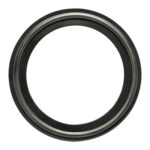 Sanitary Gaskets
 Detectomer® Family of Products
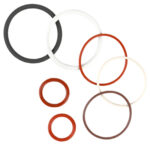 O-Rings
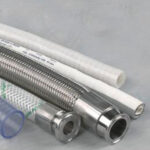 Sanitary Hose & Hose Assemblies
 Hose Fittings & Adapters
 Tubing
 Sight Gauges
 Sanitary Clamps
 Sanitary End Caps
 Compression Control Products
 Pump Replacement Parts
 Carton Filler Replacement Parts
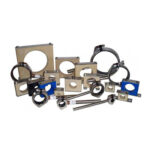 Sanitary Tube Supports
 Data Center Cooling
 Food Processing Products
 Cheese Processing and the Dairy Industry
 Sanitary Seals & Hoses for the Beverage Industry
 Pet Food Processing Industry
 Craft Beverage Industry Solutions: Gaskets and Hoses
 Cannabis Extraction Equipment
 Pharmaceutical Validation Products
 Getting the Perfect Crimp on a Hose Fitting
 Coding & Labeling Services
 Product & Technical Services
 Packaging & Drop Shipping Services
 Quality Assurance Certification & More
 Literature
 Part Number Library
 Technical Articles/Documents
 Informational Videos and Training
 Product E-Catalogs
 Case Studies – Product Innovations at Work
 Frequently Asked Questions
 Rubber Fab eNewsletter Archive