
USP Class VI
USP Class VI Silicone: Medical‑Grade Silicone Solutions
USP Class VI: What It Is, How It’s Tested, and What’s Changing
USP Class VI is a widely recognized biocompatibility benchmark for polymers, elastomers, and plastics used in healthcare, pharmaceutical, and bioprocessing environments. When a material meets USP Class VI requirements, it has passed a suite of biological safety evaluations that help engineers and quality teams make faster, more confident decisions for components that contact drug product, process media, or the patient. As standards evolve, it’s important to understand what the designation covers, how USP Class VI testing is performed, and where it fits within today’s risk-based qualification strategies.
What USP Class VI Means and Why It Matters
USP Class VI is a biocompatibility classification from the United States Pharmacopeia that focuses on a material’s biological response. It is commonly used to screen elastomers, USP Class VI silicone, and Class VI plastics for sanitary process connections, single-use assemblies, and medical device components with limited or transient patient contact. By meeting USP Class VI requirements, materials demonstrate that they are unlikely to cause unacceptable systemic toxicity or local irritation under specified extraction conditions. In particular, USP Class VI silicone biocompatible compounds and USP Class VI silicone tubing are frequently selected for hygienic fluid pathways. These USP Class VI silicone materials and related tubing options provide trusted sealing and transfer performance in high-purity processes.
Typical uses include sanitary gaskets, o-rings, tubing, pump diaphragms, valve seats, and seals found in filling, transfer, and filtration systems. These parts are essential in biopharma drug manufacturing, vaccine production, cell and gene therapy suites, food and beverage processing with hygienic requirements, diagnostics, and select medical devices. For many teams, the designation provides a consistent baseline across suppliers and facilities, streamlining vendor qualification and validation activities. When selecting USP Class VI silicone or USP Class VI silicone tubing for these applications, confirm the material’s certification to align with internal specifications and USP Class VI testing requirements.
However, USP Class VI requirements do not address every performance attribute. The designation does not characterize extractables and leachables for your exact process, nor does it confirm sterilization compatibility, long-term stability, mechanical endurance, or particulate control. Choosing a material solely because it is USP Class VI can overlook temperature and pressure limits, solvent and drug interactions, or the effects of CIP/SIP cycles. Use the designation as a starting point within a comprehensive, risk-based program and verify that the selected USP Class VI silicone material and tubing remain suitable after sterilization. Also ensure you review USP Class VI testing requirements alongside process-specific verification.
USP Class VI Testing: Methods and How to Read the Results
USP Class VI testing focuses on three in vivo assessments to evaluate biological reactivity:
- Systemic toxicity: Determines whether material extracts cause acute adverse effects when administered intravenously or intraperitoneally in an animal model.
- Intracutaneous reactivity: Scores local irritation following injection of extracts into the skin, monitoring erythema and edema over time.
- Implantation: Examines tissue response after subcutaneous or intramuscular placement, with histology used to assess inflammation, necrosis, or abnormal integration.
Passing results indicate no systemic toxicity at the tested dose, minimal or no irritation against controls, and acceptable tissue response at the implant site. Common reasons for failure include residual processing aids, unreacted monomers, plasticizers or additives that migrate under extraction, and insufficient curing or post-processing. Because small formulation or process changes can alter outcomes, change control and lot traceability are critical for any USP Class VI silicone or Class VI plastics program and should be documented to satisfy testing requirements.
To generate meaningful data during USP Class VI testing, follow best practices in sample preparation:
- Test production-equivalent materials with final cure cycles, surface finish, and all intended additives and colorants.
- Replicate commercial cleaning steps and document washing or conditioning procedures.
- Select extraction media and temperatures that reflect realistic worst-case conditions aligned with the method.
- Maintain full traceability for lot numbers, processing parameters, sterility state, and sample sizes for all replicates.
Applications, Reliability, and Cost Avoidance
USP Class VI o-rings and gaskets are essential in bioprocessing skids, sterile filling lines, chromatography systems, filtration modules, clean-in-place/sanitize-in-place loops, and aseptic connections in pharmaceutical and biotechnology facilities. They are also critical in vaccine production, parenteral drug manufacturing, high-purity food, beverage, and personal care processing, and medical diagnostics with transient contact. In these environments, USP Class VI silicone and USP Class VI silicone tubing provide consistent sealing and fluid-handling performance, backed by proper certification.
Specific materials and compounds available for USP Class VI gaskets and o-rings include USP Class VI silicone formulations, fluorocarbon (FKM), EPDM, PTFE, and select Class VI plastics engineered for sanitary service. Both single-use assemblies and multi-use equipment can leverage USP Class VI certifications: single-use flow paths use USP Class VI silicone tubing and molded components to simplify qualification, while multi-use skids adopt USP Class VI silicone seals and compatible elastomers to support repeat sterilization and cleaning cycles.
How do they reduce maintenance costs and prevent downtime? Qualified USP Class VI gaskets and o-rings resist compression set, chemical attack, and sterilization cycles, maintaining seal integrity through CIP/SIP and batch changes. This reduces leak-related cleanups, unplanned line breaks, and repeated torqueing that wears hardware. Standardizing on verified USP Class VI silicone compounds and matching USP Class VI silicone tubing across utilities and product-contact lines simplifies spare parts management, speeds changeovers, and minimizes validation rework—lowering maintenance spend and avoiding process interruptions.
Where to Find Information and Reputable Suppliers
Where can you find information on USP Class VI o-rings? Start with supplier technical datasheets, certificates of compliance demonstrating USP Class VI silicone certification, validation summaries, and application guides covering compatibility and sterilization. Many manufacturers host FAQs and selection tools specific to USP Class VI o-rings and gaskets, including guidance on torque, surface finish, and cleaning protocols. For a streamlined program, confirm availability of USP Class VI silicone gaskets, USP Class VI silicone tubing, and USP Class VI silicone formulations within the same product family. You can also find information on USP Class VI o-rings through sanitary sealing specialists and industry distributors that catalog USP Class VI silicone and related compounds.
Where can you find a reliable source for high-purity gaskets? Reputable rubber gasket suppliers for the pharmaceutical industry include hygienic sealing specialists that offer lot traceability, surface finish documentation, and robust support. Rubber Fab is a notable example: Rubber Fab USP Class VI silicone options are designed for high-purity service, with clear documentation and support for qualification. In addition to Rubber Fab USP Class VI silicone products, buyers often evaluate established sanitary component manufacturers and distributors focused on bioprocessing compliance and service.
How Rubber Fab Helps You Meet the Mark
Rubber Fab is a trusted partner to bioprocessing, pharmaceutical, and sanitary processing teams. Our portfolio includes sanitary gaskets, o-rings, seals, and single-use components designed for demanding service. Many of our elastomers are available as USP Class VI silicone with documented certification.
Working with Rubber Fab means you get more than a compliant part. You gain application expertise that helps you select the right material, align sterilization methods with stability, and build a risk-based package that goes beyond basic USP Class VI requirements. Our team can guide you on compatibility, temperature and pressure limits, and pathways to application-specific verification, including options in USP Class VI silicone materials and USP Class VI silicone tubing. Whether you are standardizing on USP Class VI silicone for hygienic seals or qualifying Class VI plastics for single-use assemblies and multi-use equipment, Rubber Fab brings the data, documentation, and support you need—plus clear access to information on USP Class VI o-rings and a full range of high-purity gaskets for pharmaceutical applications.
 Sanitary Gaskets
 Detectomer® Family of Products
 O-Rings
 Sanitary Hose & Hose Assemblies
 Hose Fittings & Adapters
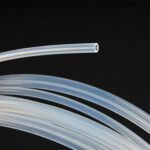 Tubing
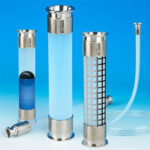 Sight Gauges
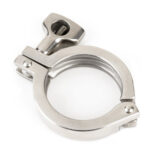 Sanitary Clamps
 Sanitary End Caps
 Compression Control Products
 Pump Replacement Parts
 Carton Filler Replacement Parts
 Sanitary Tube Supports
 Data Center Cooling
 Food Processing Products
 Cheese Processing and the Dairy Industry
 Sanitary Seals & Hoses for the Beverage Industry
 Pet Food Processing Industry
 Craft Beverage Industry Solutions: Gaskets and Hoses
 Cannabis Extraction Equipment
 Pharmaceutical Validation Products
 Getting the Perfect Crimp on a Hose Fitting
 Coding & Labeling Services
 Product & Technical Services
 Packaging & Drop Shipping Services
 Quality Assurance Certification & More
 Literature
 Part Number Library
 Technical Articles/Documents
 Informational Videos and Training
 Product E-Catalogs
 Case Studies – Product Innovations at Work
 Frequently Asked Questions
 Rubber Fab eNewsletter Archive