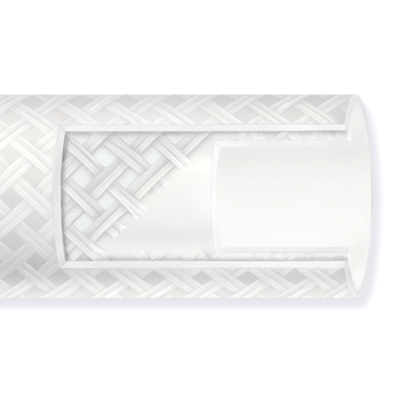
Pharmaceutical Industry Hoses
Sanitary, High-Purity Solutions for Critical Applications
Applications and Regulatory Requirements
Pharmaceutical industry hoses are essential for liquid transfer between tanks and skids, media and buffer handling, and feeds to filtration and chromatography systems. In CIP/SIP circuits, pharmaceutical CIP hoses must endure repeated exposure to steam, hot water, and chemicals while maintaining mechanical integrity. For sterile filling and packaging, smooth-bore sanitary hoses with pharmaceutical hose fittings help protect final product quality. Bioprocessing often requires ultra-smooth, non-reactive wetted surfaces to limit shear, reduce particle retention, and safeguard cell viability, making PTFE lined hoses for pharmaceuticals a strong choice in many steps; these pharma grade hoses are also central to biopharmaceutical hose solutions that unify flexible transfer with hygienic design.
Compliance is central to selection. Rubber Fab hoses are available with materials that meet FDA 21 CFR for contact, USP Class VI biological reactivity, and 3-A sanitary standards where applicable. Products are manufactured under ISO-certified quality systems aligned with GMP expectations, including full batch traceability. Certificates of conformance, lot-specific material certifications, and validation documentation support audits and qualification—key deliverables from experienced pharmaceutical hose suppliers serving regulated facilities that deploy FDA compliant hoses pharmaceutical across critical utilities and process streams.
Cleaning and sterilization compatibility drives material choice. Our pharma grade hoses are compatible with in-place steam sterilization and autoclave cycles within specified temperature and time limits, as well as common CIP chemistries such as caustics, acids, and oxidizing agents. Selecting PTFE lined hoses for pharmaceuticals or FEP liners can expand chemical envelopes, while EPDM hoses pharmaceutical options may be preferred for flexibility and resilience. Always confirm temperature ceilings, dwell times, and allowable cycles to ensure long-term service life for FDA compliant hoses pharmaceutical users and their hose cleaning procedures pharmaceutical programs, especially where pharmaceutical suction and discharge hoses see frequent turnaround.
Construction, Materials, and Design Features
Inner tube materials balance purity and chemical resistance. PTFE and FEP fluoropolymers provide broad compatibility, low extractables, and ultra-smooth surfaces that resist product adhesion. UHMW-based liners and FDA-grade elastomers, including platinum-cured silicone and EPDM hoses pharmaceutical constructions, deliver excellent purity for aqueous and biopharma media while offering flexibility for tight routing. Liner selection should reflect solvent exposure, pH extremes, and sterilization regimes common to pharmaceutical CIP hoses, ensuring pharma grade hoses meet both process and cleaning envelopes defined by hose cleaning procedures pharmaceutical teams.
Reinforcement and wall construction affect cleanliness and mechanical performance. Smooth-bore designs reduce crevices to limit particle retention and biofilm risk, while controlled wall thickness supports predictable bend radius and flow. Options include stainless steel wire braids for pressure stability, textile reinforcements for lightweight flexibility, and vacuum-capable constructions to prevent collapse during suction or SIP cooling—critical for pharmaceutical suction and discharge hoses used across transfer lines within biopharmaceutical hose solutions.
End connections complete the hygienic envelope. Rubber Fab offers tri-clamp, sanitary clamp, and aseptic connector options compatible with orbital-welded hard piping. Polished stainless steel pharmaceutical hose fittings, ferrules prepared for passivation, and hygienic clamp assemblies help maintain flush transitions. Custom assemblies—fully crimped or swaged with heat numbers and lot tracking—support validated, leak-tight, and cleanable connections in biopharmaceutical hose solutions, complementing FDA compliant hoses pharmaceutical requirements.
Performance, Testing, and Service Considerations
Key performance metrics guide system design. Pressure ratings must exceed maximum operating and surge conditions. Temperature ranges should cover process extremes, SIP temperatures, and cooling cycles to avoid thermal shock. Minimum bend radius dictates routing to prevent kinking and stress, while smooth bores and appropriate diameters preserve laminar flow and reduce shear for sensitive biologics. These factors are especially important for pharmaceutical suction and discharge hoses operating under variable conditions and for PTFE lined hoses for pharmaceuticals that must balance flexibility with integrity.
Quality assurance underpins every assembly. We provide batch traceability for finished hoses. Validation support includes material data, surface finish details, and pressure test records where required—resources valued by teams overseeing hose cleaning procedures pharmaceutical compliance and documentation. As responsive pharmaceutical hose suppliers, we align our pharma grade hoses and pharmaceutical hose fittings with site-standard protocols.
Proper installation and maintenance extend service life. Handle hoses with clean gloves, avoid torsion and over-bending, and support assemblies to prevent strain at fittings. Inspect routinely for cover damage, soft spots, blistering, or movement at couplings, and replace at defined intervals based on cycles, sterilization exposure, and visual condition. Our technical team offers application reviews, chemical compatibility guidance, and on-site or remote support to optimize selection, routing, and maintenance practices for pharmaceutical CIP hoses, EPDM hoses pharmaceutical lines, and PTFE lined hoses for pharmaceuticals within validated systems.
FAQs: Uses, Materials, Standards, and Selection
What are pharmaceutical industry hoses used for? They transfer media, buffers, intermediates, and finished products; support CIP/SIP; and provide sanitary connections in upstream, downstream, and fill-finish operations, often as pharmaceutical suction and discharge hoses integrated with pharmaceutical hose fittings.
What materials are pharmaceutical hoses made from? Common constructions include PTFE lined hoses for pharmaceuticals, FEP, UHMW, platinum-cured silicone, and EPDM hoses pharmaceutical, chosen to deliver purity, chemical resistance, and flexibility in pharma grade hoses.
How do sanitary hoses differ from standard industrial hoses? Sanitary designs feature smooth bores, hygienic covers, crevice-free pharmaceutical hose fittings, and validated cleanability, aligning with biopharmaceutical hose solutions and hose cleaning procedures pharmaceutical expectations.
What standards apply to hoses used in pharmaceutical manufacturing? FDA compliant hoses pharmaceutical typically align with FDA 21 CFR, USP Class VI, 3-A, and ISO/GMP quality controls, supported by documentation from qualified pharmaceutical hose suppliers.
How do you choose the right hose for pharmaceutical applications? Match media chemistry, temperature, pressure, bend radius, and CIP/SIP cycles to materials (e.g., PTFE lined hoses for pharmaceuticals vs. EPDM hoses pharmaceutical), verify compliance, and ensure compatibility with pharmaceutical CIP hoses and cleaning protocols.
 Sanitary Gaskets
 Detectomer® Family of Products
 O-Rings
 Sanitary Hose & Hose Assemblies
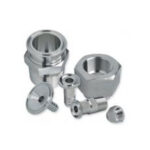 Hose Fittings & Adapters
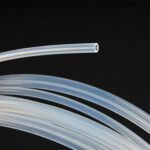 Tubing
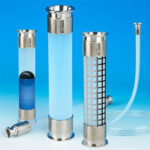 Sight Gauges
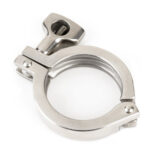 Sanitary Clamps
 Sanitary End Caps
 Compression Control Products
 Pump Replacement Parts
 Carton Filler Replacement Parts
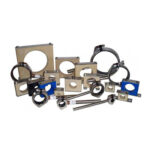 Sanitary Tube Supports
 Data Center Cooling
 Food Processing Products
 Cheese Processing and the Dairy Industry
 Sanitary Seals & Hoses for the Beverage Industry
 Pet Food Processing Industry
 Breweries, Wineries and Distilleries
 Cannabis Extraction Equipment
 Pharmaceutical Validation Products
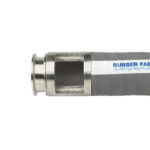 Getting the Perfect Crimp on a Hose Fitting
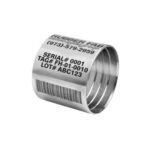 Coding & Labeling Services
 Product & Technical Services
 Packaging & Drop Shipping Services
 Quality Assurance Certification & More
 Literature
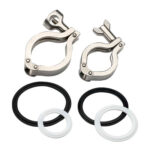 Part Number Library
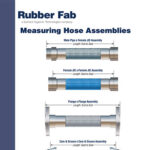 Technical Articles/Documents
 Informational Videos and Training
 Product E-Catalogs
 Case Studies – Product Innovations at Work
 Frequently Asked Questions
 Rubber Fab eNewsletter Archive