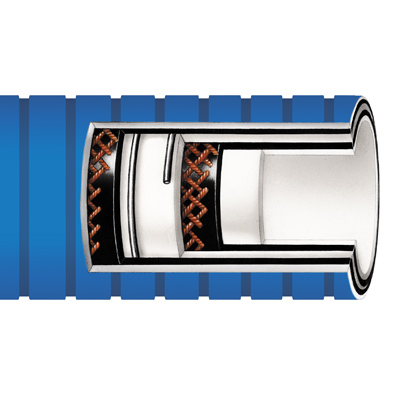
Food Grade Hoses for Food & Beverage Processing
Learn more about Rubber Fab Food Grade Hoses
Product Specifications & Materials
- EPDM for robust heat resistance and compatibility with common CIP chemistries, including EPDM food grade hose options
- Silicone for high-temperature flexibility and neutral odor and taste, offered as silicone food hose selections
- PVC for lightweight, economical general transfer with visual clarity, including PVC food grade hose choices
- TPE for a balance of flexibility and chemical resistance
EPDM and silicone excel in hot cleaning cycles; PVC provides cost and clarity advantages but with lower temperature limits; TPE offers versatile performance with strong flex life. Our FDA approved hoses include silicone food hose, EPDM food grade hose, and PVC food grade hose, each supported by clear documentation and traceability. These food grade hoses are designed so the materials used in food grade hoses meet strict extraction limits and maintain neutral taste and odor in contact with product.
Typical operating ranges span from -40°F up to 350°F depending on the compound, with silicone on the high end. Working pressures generally range from 50 to 300 psi, based on size and reinforcement. Always validate chemical compatibility for acids, caustics, cleaners, and product media such as dairy fats, ethanol, and sugars. As a guide: EPDM pairs well with dairy and caustic CIP, silicone suits high-temp steam exposure, and PVC is ideal for light-duty beverage transfer. Confirm final choices with product datasheets and compatibility charts for your food grade tubing and FDA approved hoses.
Construction options include smoothbore liners for superior cleanability and lower pressure drop, and corrugated profiles for added flexibility and vacuum resistance. Reinforcements may include textile, synthetic cord, or stainless steel wire to manage pressure, suction/vacuum, and kink resistance. Fittings are available in sanitary tri-clamp, bevel seat, DIN, and SMS styles. Selecting the right coupling helps ensure clean-in-place performance and limits crevice formation, directly influencing flow, cleanability, and service life.
Performance, Safety & Sanitation
Sanitary performance is built into every design. Smooth interior liners reduce biofilm risk and speed CIP turnaround. Many food grade hoses are steam-cleanable and compatible with CIP/SIP when operated within rated temperatures and dwell times. A typical cleaning sequence includes a warm pre-rinse, alkaline wash, intermediate rinse, acid rinse as needed, final rinse, and controlled drying. Where rated, periodic steam or hot-water sanitization may be used.
To protect product quality, hoses are evaluated for leachables and extractables suitable to their materials, supporting odor and taste neutrality. Traceability features—such as lot codes and optional serialized markings—align with quality systems, providing cradle-to-installation records for FDA approved hoses and food grade tubing. This documentation helps you know if a hose is safe for food contact: look for clear statements of compliance, material declarations, test data for extractables, and identification that the hose is a food grade hose backed by certifications.
Durability-focused features help lower maintenance costs and failure risk. Abrasion-resistant covers defend against scuffing in production areas, flexible designs improve bend performance around skids and tanks, and reinforced suction constructions maintain shape under vacuum to reduce collapse and flow restriction. The result is fewer changeouts, better uptime, and consistent sanitary performance from each silicone food hose, EPDM food grade hose, and PVC food grade hose in your system.
Selection, Customization & Support
Start selection with the application requirements. For suction lines on inlet pumps or tanker unloading, choose vacuum-rated designs with corrugation for flexibility. For discharge and vessel transfer, smoothbore hoses reduce pressure drop and speed cleaning. For potable water and ingredient lines, use hoses certified for drinking water with neutral taste. Consider this checklist: media and temperature range, working and surge pressure, vacuum needs, cleaning method (CIP/SIP/steam), flexibility and bend radius, fitting standard, required documentation, and site handling conditions. Our team will help you select the right silicone food hose, EPDM food grade hose, or PVC food grade hose for the job, ensuring the materials used in food grade hoses match your process media and sanitation protocol.
We offer custom options and value-added services including cut-to-length supply, complete assemblies with installed sanitary ends, custom fittings and adapters, color coding for line identification, and durable traceability markings. Assemblies are pressure tested and cleaned to your specification to expedite deployment and support validation of food grade hoses and food grade tubing.
Technical resources include detailed datasheets, material compliance statements, and validation documentation. We provide test data, guidance on lead times, and dependable warranty and aftercare. Our applications team supports selection, installation best practices, and maintenance planning to maximize hose life. Contact Rubber Fab to discuss your process—we will match a food grade hose and FDA approved hoses to your exact standards so you can verify a hose is safe for food contact before installation.
 Sanitary Gaskets
 Detectomer® Family of Products
 O-Rings
 Sanitary Hose & Hose Assemblies
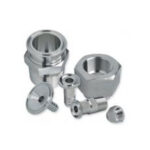 Hose Fittings & Adapters
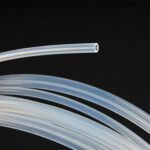 Tubing
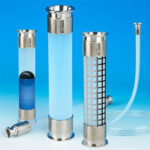 Sight Gauges
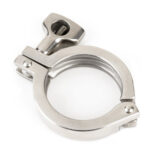 Sanitary Clamps
 Sanitary End Caps
 Compression Control Products
 Pump Replacement Parts
 Carton Filler Replacement Parts
 Sanitary Tube Supports
 Data Center Cooling
 Food Processing Products
 Cheese Processing and the Dairy Industry
 Sanitary Seals & Hoses for the Beverage Industry
 Pet Food Processing Industry
 Breweries, Wineries and Distilleries
 Cannabis Extraction Equipment
 Pharmaceutical Validation Products
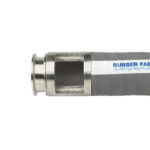 Getting the Perfect Crimp on a Hose Fitting
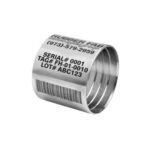 Coding & Labeling Services
 Product & Technical Services
 Packaging & Drop Shipping Services
 Quality Assurance Certification & More
 Literature
 Part Number Library
 Technical Articles/Documents
 Informational Videos and Training
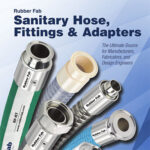 Product E-Catalogs
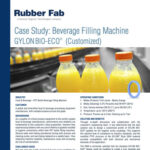 Case Studies – Product Innovations at Work
 Frequently Asked Questions
 Rubber Fab eNewsletter Archive